
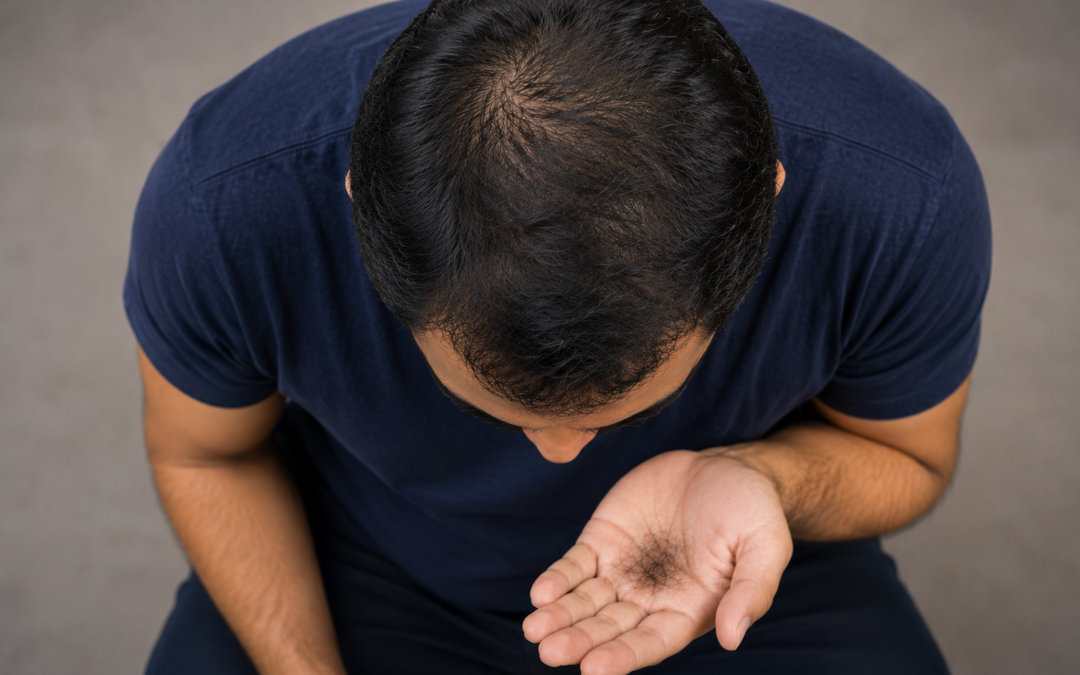
The sight of hair on your pillows, in the shower drain and scattered around the house is very distressing. At first, it’s easy to just ignore it as normal. But when it keeps happening day after day, you start realizing that your hair has started looking thinner, your scalp is more visible than before, and your ponytail doesn't look good anymore. That’s when you wonder what’s causing it and how you can stop it. Understanding why your hair is falling out is the first step toward finding the right solution.
What Causes Hair Loss?
It's very normal to lose around 50 to 150 strands of hair a day. Your hair naturally goes through a cycle of growth, rest and shedding. Problems begin when the amount of hair fall is more than your scalp can replace. Hair loss can happen for many reasons. Genetics plays a crucial role in your overall health. If your parents or grandparents experienced thinning, greying or baldness, you may notice similar changes over time. Women mostly experience hair loss due to hormonal changes. Pregnancy, thyroid issues. PMOS and even menopause may trigger increased hair loss. Not every type of hair loss is permanent. This concerning condition can improve once the underlying cause is identified and treated. Recognizing the early signs and seeking the right care can help slow down hair loss and improve the chances of healthy regrowth.
Signs and Symptoms to Watch For
- You notice unusual strands of hair on your pillow, hairbrush or in the shower floor every day.
- Your hair feels less dense, making your ponytail thinner or your scalp more visible than before.
- Your hairline gradually starts to recede, or the parting in your hair becomes noticeably wider.
- You notice one or more smooth, round patches where hair has fallen out. This may be a sign of alopecia areata, an autoimmune condition that causes the immune system to attack healthy hair follicles.
- Hair begins falling out suddenly after a stressful incident, illness, surgery, childbirth or significant weight loss.
- Your scalp feels itchy, tender, flaky or develops redness along with hair loss. This may point to an underlying scalp condition that needs medical attention.
- You notice broken hairs around the hairline or areas where your hair is often tied tightly. Repeated pulling from tight hairstyles can damage the hair follicles over time.
- Your eyebrows, eyelashes or body hair also begin shedding, which may indicate a medical condition rather than normal hair loss.
How Choosing a Healthier Life Improves Hair Health?
Your daily habits have a bigger impact on your hair than you may realize. A balanced diet rich in protein, iron, zinc, and essential vitamins provides the nutrients your hair needs to grow and stay healthy. If your diet has changed recently or you are not getting enough of these nutrients, it may show up as increased hair shedding. Stress also has a direct effect on your hair health. Ongoing stress can disrupt your hair’s natural growth cycle, causing more hair to enter the shedding phase. Regular exercise, quality sleep, and simple relaxation techniques can help reduce stress and support healthier hair over time. Proper hair care can help restore your hair's strength. Try to limit excessive heat styling, avoid tight hairstyles that pull on the scalp, and reduce the use of harsh chemical treatments. These habits can weaken your hair and increase breakage, making hair loss appear even more noticeable.
When Should You Seek Professional Advice?
Persistent or sudden hair loss should not be ignored. Seeking professional help early can help identify the cause and prevent the condition from worsening. Hair loss can also happen following a new medication. A doctor can examine your scalp, review your medical history and recommend tests if needed. This helps identify the real cause instead of relying on DIY hacks. Early diagnosis often leads to more effective treatment and helps prevent further hair loss.
If you are concerned about hair loss or have noticed changes in your hair that do not seem normal, a consultation at Sama can help you understand what’s causing your hair loss and guide you toward the right treatment with confidence and care. Speaking with a qualified healthcare professional can provide clarity. A proper evaluation can help you understand the cause and explore the best treatment options that are right for you.